What You Need To Know About TMS Therapy
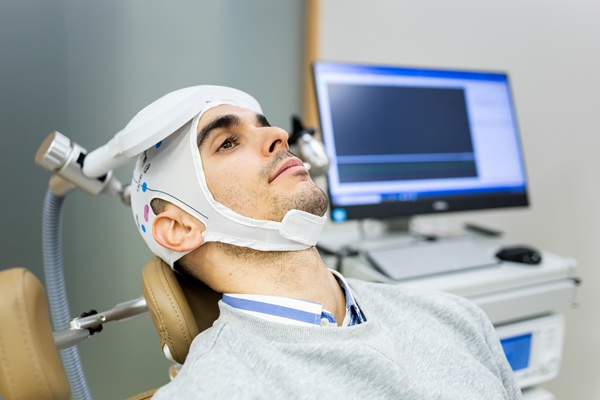
Treatment-resistant depression can leave patients feeling stuck, even after exploring different medications and approaches to therapy. The good news is that TMS therapy, or transcranial magnetic stimulation, offers a new way forward. This innovative and noninvasive psychiatric treatment aims to restore healthy communication between brain regions responsible for mood, emotion, and focus, providing a path toward meaningful symptom relief.
Managing treatment-resistant depression with TMS therapy
When depression has not responded to several standard treatments (typically this means at least two or more types of antidepressants and therapy), it is considered treatment-resistant. While traditional treatments are effective for many, mental disorders and their treatment are always complex. They differ from patient to patient. And while some patients benefit from medications that target chemical imbalances, others experience disrupted brain activity that medication alone cannot correct. TMS therapy directly addresses this issue by reactivating underperforming neural networks linked to mood regulation.
During each TMS therapy session, a TMS doctor places a small magnetic coil near the scalp. The coil sends focused magnetic pulses to stimulate the prefrontal cortex, an area often less active in those with chronic depression. Over time, repeated stimulation helps reset brain patterns, improving energy, motivation, and outlook. The process is completely noninvasive and does not require anesthesia or sedation.
What makes TMS therapy different?
Unlike medication, which circulates through the entire body, TMS therapy delivers precise, localized stimulation to targeted regions of the brain. This direct approach reduces the likelihood of systemic side effects such as weight gain, fatigue, or digestive upset. In addition, since patients remain awake and alert throughout each session, they can return to work, school, or other daily routines immediately after leaving the TMS doctor’s office.
Another advantage of TMS therapy is its compatibility with ongoing care. It can be used alongside existing treatment plans, including counseling or medication, to enhance results. Many patients find that as symptoms begin to lift, they can re-engage more effectively in therapy, rebuild healthy habits, and reconnect with what matters most to them.
The treatment experience
TMS therapy sessions are completed in a comfortable outpatient setting. Each appointment lasts about 20 to 40 minutes, depending on the protocol selected. The TMS doctor adjusts the equipment to ensure the magnetic field reaches the correct brain region, then administers controlled pulses while monitoring patient comfort.
As approved by the U.S. Food and Drug Administration (FDA), a standard course of this psychiatric treatment usually includes sessions five days a week for four to six weeks. Some patients begin to notice improvement in mood, sleep, and focus within the first few weeks, while others experience more gradual progress as sessions continue. Regular evaluations during treatment help fine-tune the plan for the best possible results.
After completing the initial series, some individuals benefit from periodic maintenance sessions to sustain long-term relief. Because TMS therapy encourages natural brain activity rather than masking symptoms, its effects often continue beyond the initial treatment period.
Take a step toward better mental health
For those living with treatment-resistant depression, TMS therapy may finally make it possible to manage symptoms effectively. By gently influencing the brain’s natural rhythm, it can help create emotional clarity, motivation, and optimism that may have felt out of reach. Learn more about this psychiatric treatment during an appointment with our Columbia TMS doctor.
Request an appointment here: https://futurepsychsolutions.com or call Future Psych Solutions at (803) 335-5232 for an appointment in our Columbia office.
Check out what others are saying about our services on Yelp: Read our Yelp reviews.
Related Posts
When counseling alone does not provide sufficient relief, a psychiatrist may review symptoms, past diagnoses, and prior treatment. This is especially important for people with treatment-resistant depression, PTSD, or anxiety disorders that interfere with daily life. Remember that counseling still plays an important role, but it can become part of a broader interventional psychiatry plan.…
Depression treatment often takes a different approach when helping individuals manage seasonal affective disorder (SAD), a form of depression that follows a predictable seasonal pattern. Symptoms often begin during the fall or winter when daylight hours become shorter and improve as the seasons change. Our psychiatrist can develop a personalized treatment plan that can help…
Depression care can include approaches for low mood, reduced interest, sleep changes, or difficulty concentrating that continue despite treatment. While we cannot promise a depression cure because symptoms and treatment response differ, we can offer transcranial magnetic stimulation (TMS) as a non-invasive treatment method for those who are experiencing treatment-resistant depression. Our team can review…
Managing major depressive disorder can be daunting, especially when traditional oral medications do not provide sufficient relief. That is why psychiatrists may introduce Spravato for depression® for those experiencing persistent symptoms. Understanding this alternative therapeutic option can guide patients toward an effective treatment path.Psychiatrists consider Spravato for depression primarily when a patient experiences treatment-resistant depression…