Treatment-resistant depression can leave patients feeling stuck, even after exploring different medications and approaches to therapy. The good news is that TMS therapy, or transcranial magnetic stimulation, offers a new way forward. This innovative and noninvasive psychiatric treatment aims to restore healthy communication between brain regions responsible for mood, emotion, and focus, providing a path toward meaningful symptom relief.
Managing treatment-resistant depression with TMS therapy
When depression has not responded to several standard treatments (typically this means at least two or more types of antidepressants and therapy), it is considered treatment-resistant. While traditional treatments are effective for many, mental disorders and their treatment are always complex. They differ from patient to patient. And while some patients benefit from medications that target chemical imbalances, others experience disrupted brain activity that medication alone cannot correct. TMS therapy directly addresses this issue by reactivating underperforming neural networks linked to mood regulation.
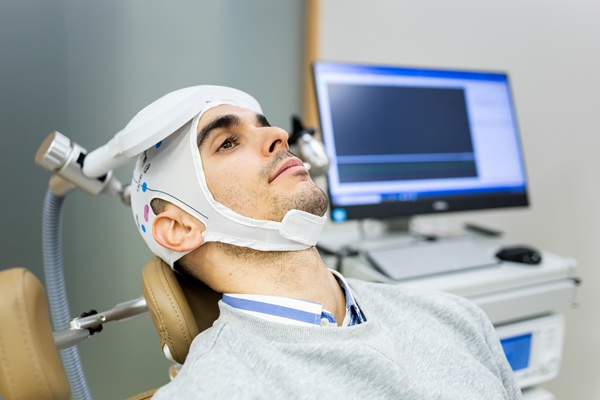
During each TMS therapy session, a TMS doctor places a small magnetic coil near the scalp. The coil sends focused magnetic pulses to stimulate the prefrontal cortex, an area often less active in those with chronic depression. Over time, repeated stimulation helps reset brain patterns, improving energy, motivation, and outlook. The process is completely noninvasive and does not require anesthesia or sedation.
What makes TMS therapy different?
Unlike medication, which circulates through the entire body, TMS therapy delivers precise, localized stimulation to targeted regions of the brain. This direct approach reduces the likelihood of systemic side effects such as weight gain, fatigue, or digestive upset. In addition, since patients remain awake and alert throughout each session, they can return to work, school, or other daily routines immediately after leaving the TMS doctor’s office.
Another advantage of TMS therapy is its compatibility with ongoing care. It can be used alongside existing treatment plans, including counseling or medication, to enhance results. Many patients find that as symptoms begin to lift, they can re-engage more effectively in therapy, rebuild healthy habits, and reconnect with what matters most to them.
The treatment experience
TMS therapy sessions are completed in a comfortable outpatient setting. Each appointment lasts about 20 to 40 minutes, depending on the protocol selected. The TMS doctor adjusts the equipment to ensure the magnetic field reaches the correct brain region, then administers controlled pulses while monitoring patient comfort.
As approved by the U.S. Food and Drug Administration (FDA), a standard course of this psychiatric treatment usually includes sessions five days a week for four to six weeks. Some patients begin to notice improvement in mood, sleep, and focus within the first few weeks, while others experience more gradual progress as sessions continue. Regular evaluations during treatment help fine-tune the plan for the best possible results.
After completing the initial series, some individuals benefit from periodic maintenance sessions to sustain long-term relief. Because TMS therapy encourages natural brain activity rather than masking symptoms, its effects often continue beyond the initial treatment period.
Take a step toward better mental health
For those living with treatment-resistant depression, TMS therapy may finally make it possible to manage symptoms effectively. By gently influencing the brain’s natural rhythm, it can help create emotional clarity, motivation, and optimism that may have felt out of reach. Learn more about this psychiatric treatment during an appointment with our Columbia TMS doctor.
Request an appointment here: https://futurepsychsolutions.com or call Future Psych Solutions at (803) 335-5232 for an appointment in our Columbia office.
Check out what others are saying about our services on Yelp: Read our Yelp reviews.
Related Posts
Ketamine infusion therapy has emerged as a promising option within modern psychiatric treatment. However, you may have questions about this treatment and how it works. This guide explains what the treatment entails, how it works, what to expect during a clinic visit, and the potential benefits and risks. Ketamine infusion therapy refers to the intravenous (IV)…
Post-traumatic stress disorder PTSD treatment continues to evolve, especially for individuals who do not find enough relief with traditional talk therapy or standard medications alone. PTSD affects the brain's stress circuits, mood regulation, and sleep, which can make daily life feel overwhelming. Modern interventional psychiatry focuses on advanced therapies that help the brain reset and…
Depression can be difficult to manage, particularly for those who do not respond to traditional antidepressants and other methods. In these cases, spravato for depression offers a new and effective psychiatric treatment option. This FDA-approved medication, also known as esketamine, is administered as a nasal spray under medical supervision. It has shown remarkable results for…
Ketamine therapy is an effective treatment method for treatment-resistant mental conditions, such as depression, anxiety disorders, and post-traumatic stress disorder (PTSD). However, common misconceptions may prevent individuals from choosing this treatment and obtaining the relief they need. Our team is here to dispel the three most common myths surrounding ketamine therapy so you can make an…